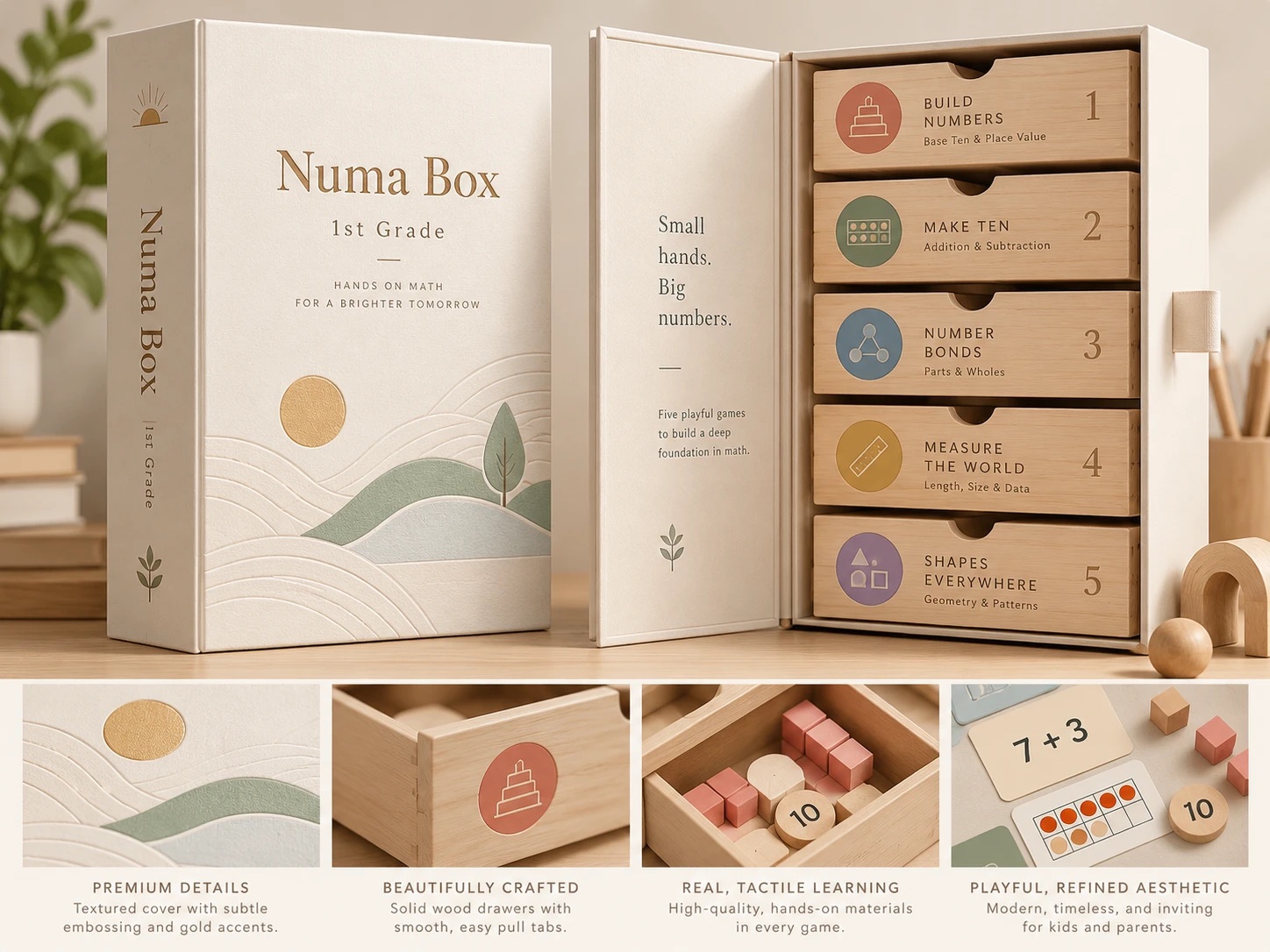
Numa Box is a series of math game boxes, one for each stage of school, ready to play at the kitchen table. It starts with Box 1: five games for ages 4–7. A one-page guide tells you exactly what to say. No screen for your kid, no guesswork for you.
Box 1 · Pre-K to Grade 1 · Ages 4–7. Coming soon.
Designed by Natalie Pinkovitz, a math professor and mom trained at Teachers College, Columbia University.
Math gets hard when the foundations are fuzzy.
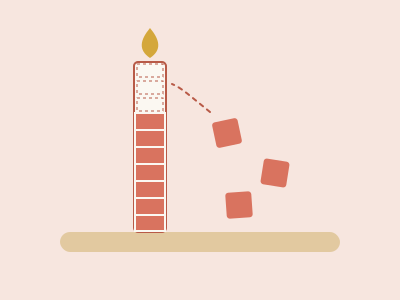
Numa Box turns the ideas that trip kids up into games they can hold. Ten loose sprinkles really do fill one candle. Nobody tells your kid the rule. They find it with their hands, then use it to make something of their own.
Scroll, and watch the sprinkles go in.
Each game lives in its own drawer, with everything inside. No printing, no hunting for bits around the house.
A short guide tells you exactly what to say and what to ask. You don't need to know how to teach math.
Every game has levels A, B and C on the same pieces, so a 4-year-old and a strong first grader both find their place.
Five drawers, five big ideas. Each drawer holds a game with a little story, and the math is hiding inside it.
Drawer 1 · Place value
The baker's sprinkles keep rolling everywhere. Then she notices ten fit exactly along one candle, and starts counting candles instead.
Ten sprinkles fill one candle. Build any cake from 10 to 99.
Drawer 2 · Make ten
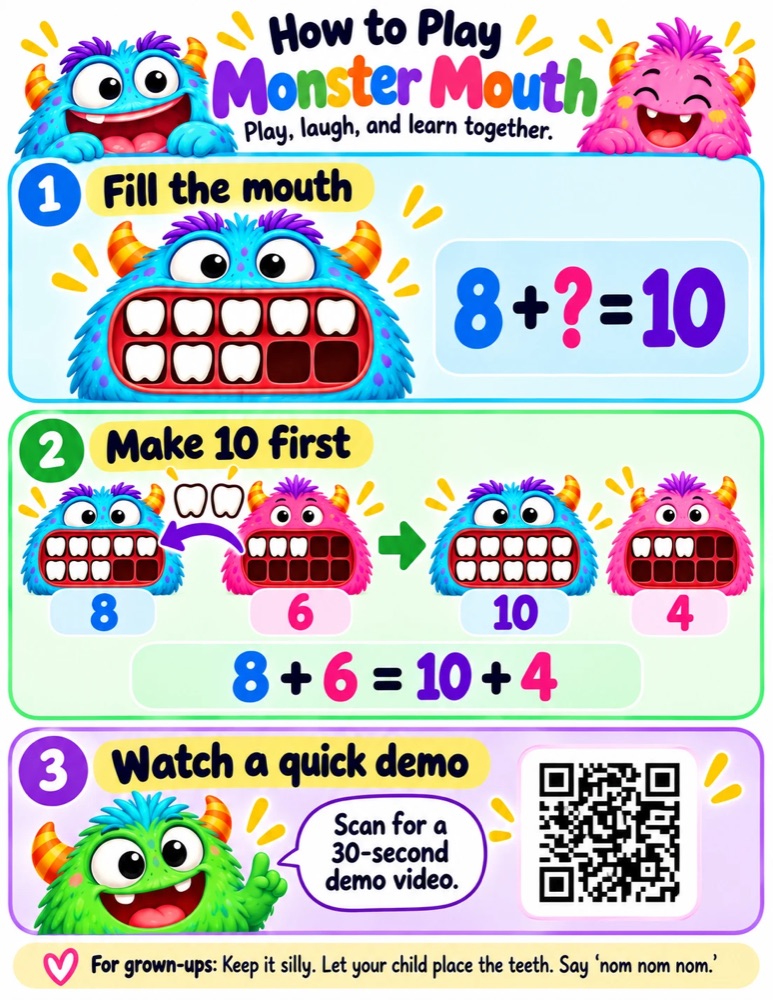
This monster lost some teeth and won't smile until he has ten again. How many is he missing?
Fill the teeth to make ten, and see the missing part.
Drawer 3 · Number bonds
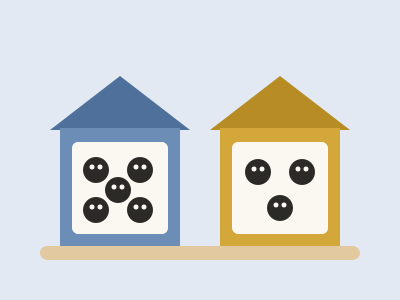
Eight friends, two houses. Turn the blue house around: who's hiding inside?
Split eight into two parts, every way it goes.
Drawer 4 · Measurement
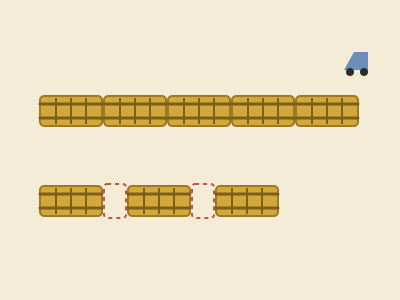
Two trains race to the station. One track looks longer. Is it, once you check for gaps?
Measure with equal pieces, no gaps, no overlaps.
Drawer 5 · Shapes and fair shares
One square cake, four hungry friends. Can everyone get the same amount?
Fill a shape with pieces, then split it into equal parts.
The monster is missing some teeth. How many more does he need to make ten? Kids fill the gaps, name their monster, and without noticing, learn the number facts that make adding fast.
Later, two monsters share teeth: move two over and 8 + 6 becomes 10 + 4. That's the same "make a ten" strategy first-grade classrooms use.
Every game has three levels, and each big idea comes back, one step bigger, in the box that follows. Five boxes take a kid from pre-K to the end of fifth grade.
Box 1 · Pre-K to Grade 1 · Ages 4–7 · coming soon
Box 2 · Grade 2 · in design
Hundreds, adding and taking away within 100, and equal groups that grow into arrays.
Box 3 · Grade 3 · planned
Multiplication and division, and fractions as parts of a whole.
Box 4 · Grade 4 · planned
Multi-digit multiplying, equal fractions, and angles.
Box 5 · Grade 5 · planned
Decimals, adding and multiplying fractions, and volume.
Natalie is a mathematics professor, a mom, and a Teachers College, Columbia University–trained educator who has trained teachers how to teach math.
She designed every Numa game the way a great teacher would, then made it simple enough for any family to use at home. The first testers were her own two girls, at her own kitchen table.
Join the waitlist and we'll email you when it's ready to order.